
OPEN CALL
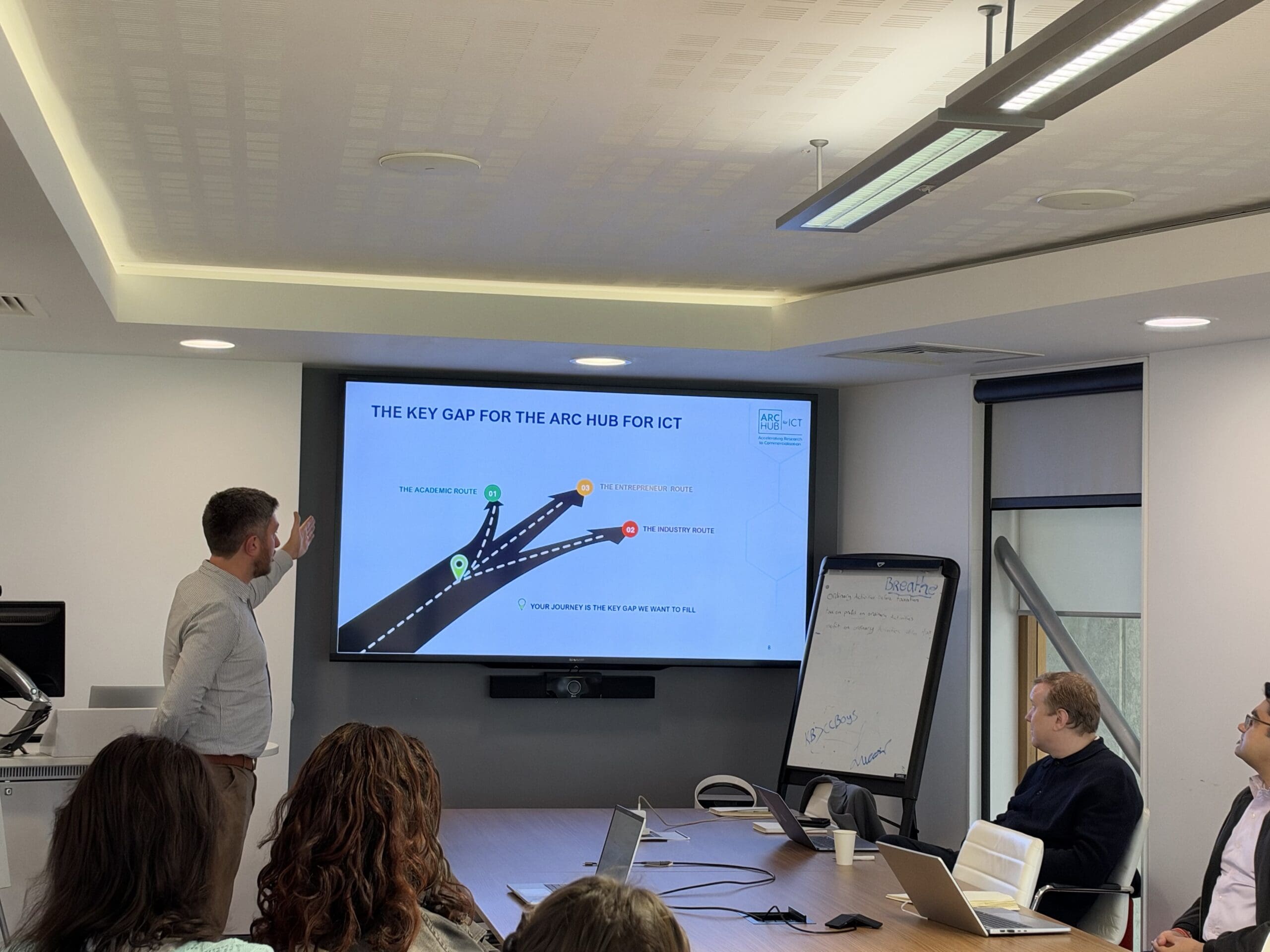
ARC Hub for ICT Roadshow Happening Now
The Research Ireland ARC Hub for ICT will be visiting different universities around Ireland to promote our newest call for proposals.
Open call
Our call for applications is now open
We currently have 64 projects, will you be part of our next cohort? Applications are open until Friday 29 January 2027 at 5pm.
ARC Hub for ICT
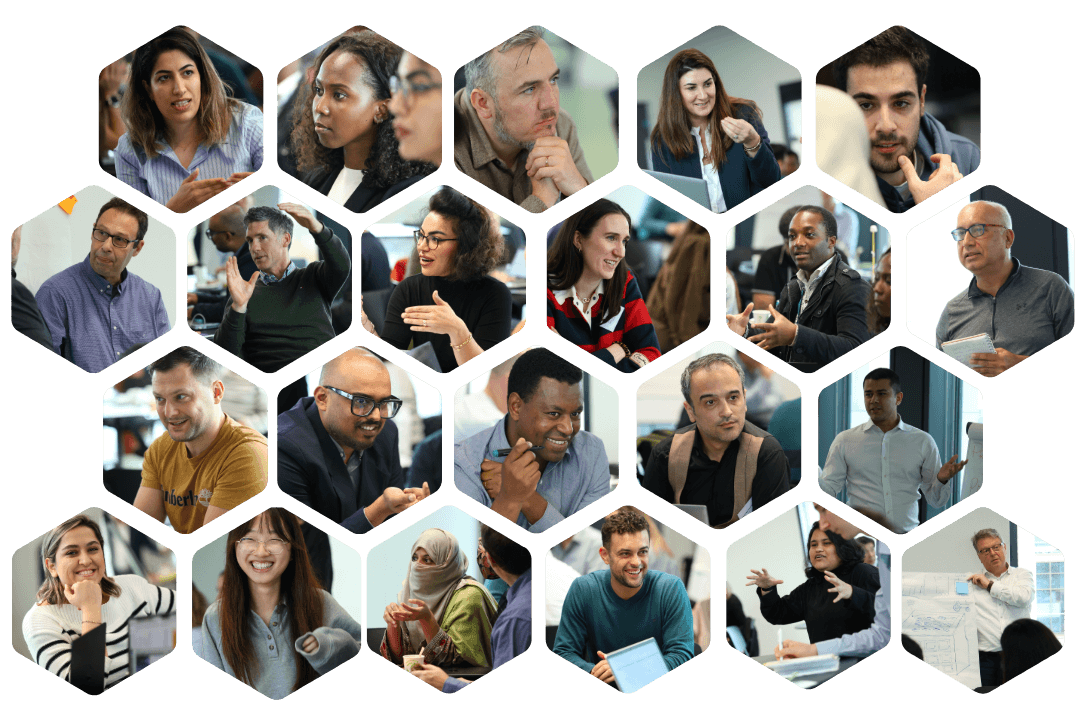
Providing an Entrepreneurial Pathway for Irish AI & ICT Research
The Research Ireland ARC Hub for ICT is a national programme that helps transform cutting edge and novel Irish ICT & AI research into real-world commercially viable solutions, products, and services.

Tá ARC Hub for ICT arna chomhchistiú ag Rialtas na hÉireann agus ag an Aontas Eorpach trí Chlár Réigiúnach an Deiscirt, an Oirthir agus Lár na Tíre 2021-27 de chuid CFRE.
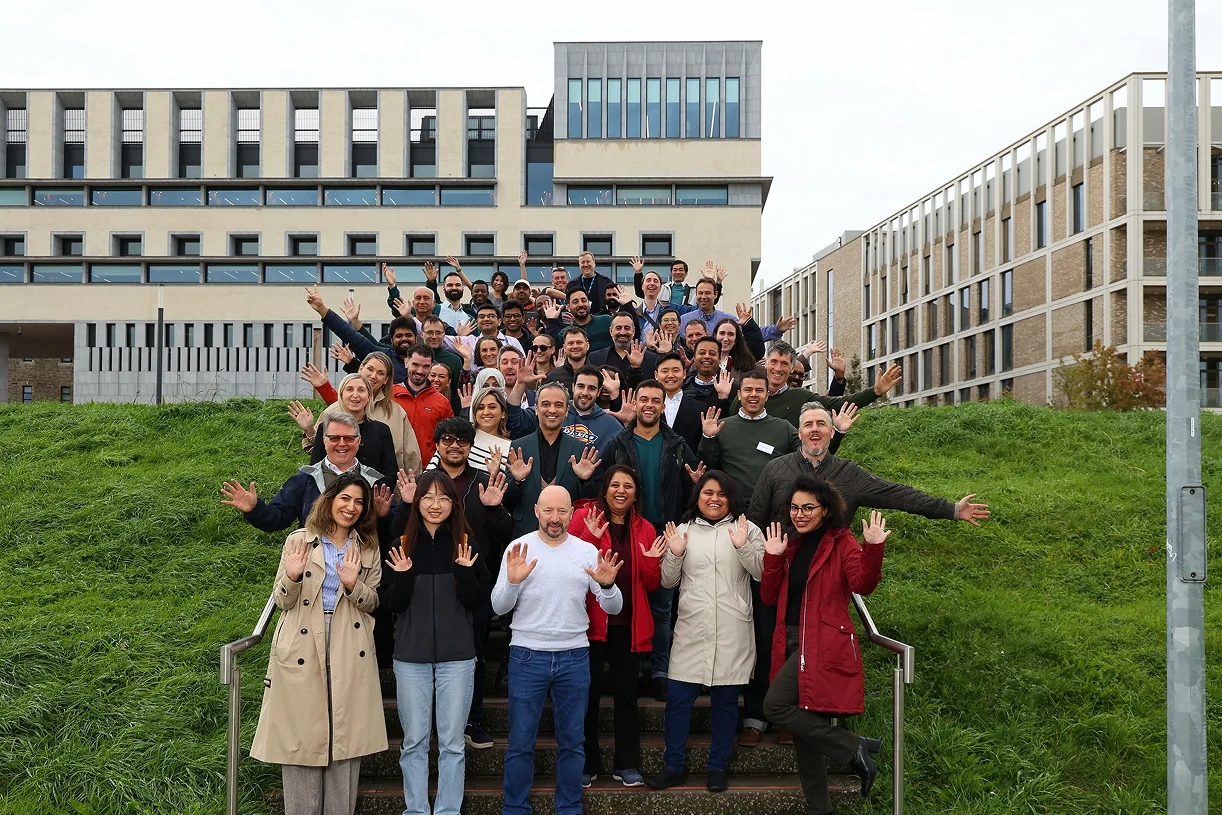
The ARC Hub for ICT is co-funded by the Government of Ireland and the European Union through the ERDF Southern, Eastern & Midland Regional Programme 2021-2027.

View projects
We have 64 projects across 5 themes. Search by project name, researcher or university.

Browse job openings
Projects supported by the ARC Hub for ICT are hiring! View open job openings.

Call for Applications
Our call for applications is now open until Friday 29 January 2027 at 5pm. Join our information webinar on Wednesday 4 November to find out more.
Research Areas
Our multidisciplinary research programmes address Ireland’s most pressing digital transformation challenges across five strategic sectors.

Healthcare & Medical Applications
Healthcare & Medical Applications are central to the ARC Hub’s mission. With a rapidly growing demand for innovation in health, this pillar brings together AI and digital technologies to tackle complex medical challenges and design solutions that make a tangible difference in people’s lives.

Digital Education & Online Communication
Education & Online Communication are a core part of the Hub’s mission. This pillar explores how AI can enhance digital education, support human–AI collaboration, and improve how we communicate and engage online, ensuring no one is left behind in the digital transition.

Digital Infrastructure
Digital Infrastructure is essential to the ARC Hub’s strategy. This pillar explores how we build, optimise, and future-proof large-scale digital systems so that AI can operate at speed and scale where it’s needed most in transport, communications, urban spaces, and beyond.

Data Security, Privacy & Governance
Data Security, Privacy & Governance sits at the heart of the Hub’s mission. This pillar addresses some of the most pressing concerns in AI and ICT today, including data ethics, trust, explainability, and the reliability of complex systems.

Sustainable & Environmental Management
Sustainability & Environmental Management is a vital part of the ARC Hub’s work. This pillar focuses on harnessing digital technologies to advance environmental protection, efficient resource use, and climate action—ensuring that our digital future is also a green one.
AgriFuTech
An AI genomic prediction engine that learns directly from complex, noisy datasets to deliver reliable trait predictions across crops and environments.

NanoMind-GenAI
An AI formulation platform helping pharma companies and CDMOs design lipid nanoparticles for RNA therapeutics faster and with fewer experiments.

Dustec
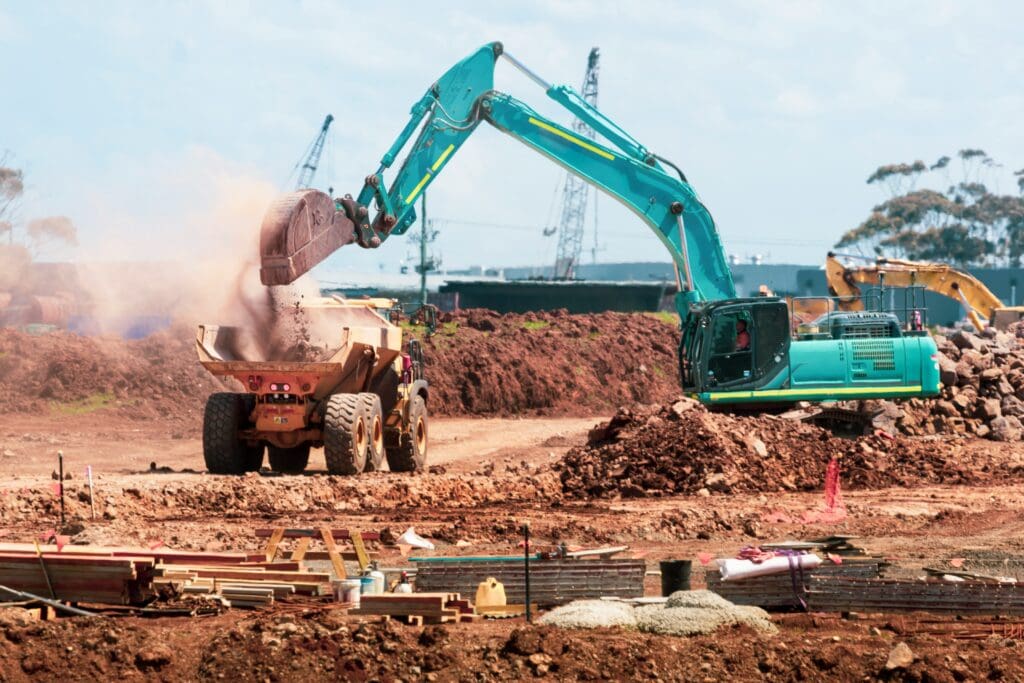
An accurate, low-cost dust monitoring system built for small construction firms, making occupational exposure compliance affordable on site.
LUCARE
Turns unstructured patient complaints and incident reports into structured, evidence-linked insights, so emerging safety risks surface earlier.

ScholarAI
An ethical AI research learning platform that makes the student research process visible, supporting academic integrity rather than policing outcomes.

PromptMe
A copilot for product definition, helping product managers turn scattered, ambiguous inputs into clear, consistent requirements before development starts.

Pyrovista
Processes the 60 million-plus thermal data points a metal 3D print generates, predicting density and hardness without costly ex-situ testing.

PRISM
Relieves congestion on hospital wireless networks by enabling direct device-to-device communication, removing access points as a bottleneck.

VitalSignRadar
Millimetre-wave radar that monitors breathing and micro-movements through clothing and barriers, with no wearable or physical contact required.

Agri-Immanence
AI decision support for greenhouse growers, turning climate, fertigation and yield data into clear local advice that cuts fertiliser, water and energy use.

Cipher AI
A game-based AI language learning platform combining speech, text and image generation to improve vocabulary, literacy and learner motivation.

FraudLens
An AI platform for investigating cryptocurrency crime, linking transactions across wallets and consolidating victim reports for law enforcement.

PrivacyGuard
Keeps CCTV footage analysable while protecting identities, offering reversible privacy rather than permanent anonymisation or blanket encryption.

InvizCrypt
End-to-end encrypted document collaboration where keys never leave the browser, so no provider can read or be compelled to disclose your content.

FLUX
Predicts the energy a computing workload will use before it runs, helping data centres cut costs, reduce emissions and meet EU reporting rules.

MyNameIs
Verified, context-aware name pronunciation infrastructure, combining owner-recorded audio with linguistic validation for enterprise-scale use.

FedHealthSecure
A federated learning framework that detects ransomware across healthcare networks without sharing patient data or relying on known signatures.

ColdChain
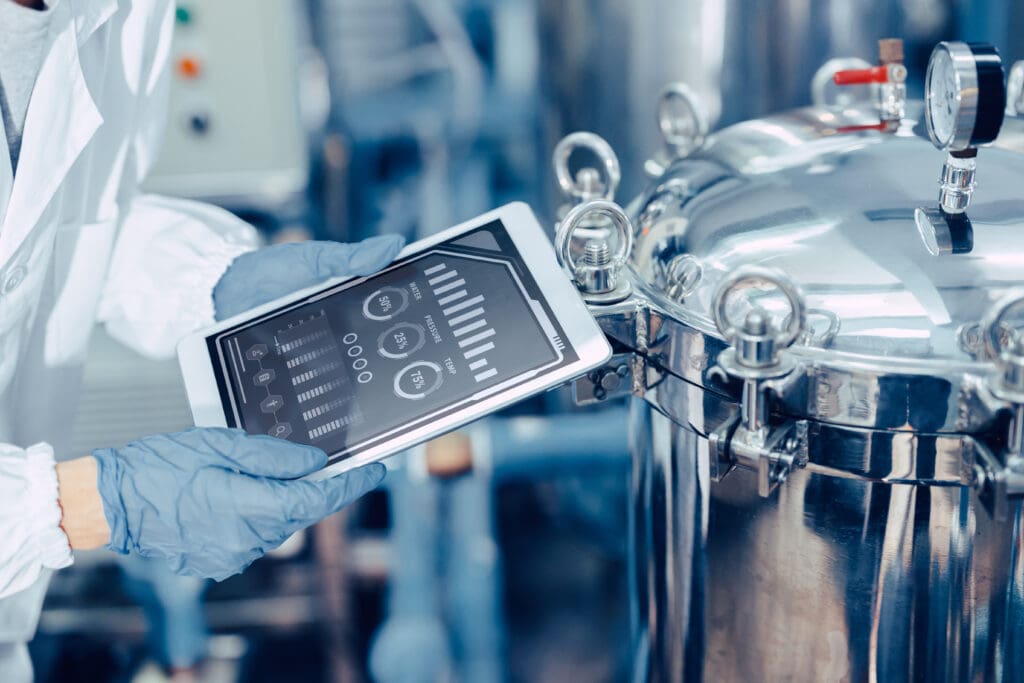
A low-cost, disposable RFID tag that signals remotely if frozen goods rise above zero, enabling continuous cold-chain monitoring across the supply chain.
Pro-Advance
Multimorbidity-focused digital health platform integrating personalised monitoring, symptom management and coordinated care for older adults.

ReFocus
The first hearing device to improve speech comprehension by shifting where sound appears to come from, developed for autistic listeners in noisy settings.

ALERT
Machine learning that automatically fixes lint errors in chip-design code, aiming to cut lint-closure time by 80% for semiconductor design teams.

SoccerIQ
Connects GPS and accelerometer data with tactical video analysis, automating insight that until now required labour-intensive manual coding.

SelfHealth
A privacy-respecting wearable platform turning everyday activity data into early warnings, supporting independent living with chronic conditions.

KG Ark
Creates privacy-preserving synthetic knowledge graphs that retain the relationships and semantic context of real data, unlocking restricted datasets for AI.

BIO-SMART
An explainable AI platform that speeds up the design of sustainable biopolymer coatings for food packaging and healthcare, reducing lab work and food waste.

The SBRS Platform
The Spatial Breast Risk Score (SBRS) is an innovative AI-powered platform designed to transform how the risk of breast cancer recurrence is assessed following surgery.

Pyrus++
A no-code platform for building AI, machine learning and analytics pipelines by drag-and-drop, from school classrooms to research teams.

Happy Maths
A game-based platform helping primary pupils practise maths while reducing maths anxiety, with adaptive gameplay and progress tools for teachers.

Co-Decide
An AI-enabled platform that prepares people with serious illness for shared decision-making, turning advance care planning from paperwork into conversation.

ISL Translate
A machine translation system rendering English into Irish Sign Language through an avatar, extending language technology to a long-excluded community.

Data Built
DataBuilt is an innovative, two-stage AI platform that automatically classifies multilingual construction descriptions into standardised categories and matches materials with carbon databases.

6GOrch
Optimises how 6G networks allocate computing resources at the edge, so demanding services like autonomous vehicles run reliably on constrained hardware.

XRStream
Generates photorealistic 3D avatars from ordinary 2D images, enabling holographic telepresence without specialist capture hardware.

LEAP-LA
An AI co-pilot for educators that turns multimodal learning data into conversational feedback, revealing learning gaps across whole cohorts.

AI-Sprayer
A chemical-free precision weeding, fertigation and irrigation platform for organic farms, using computer vision to target hot water at individual weeds.

EAComm
High-bandwidth optical neuromorphic AI chips that cut the electricity and water data centres consume to run rapidly growing AI workloads.

VISION3D
Uses holographic volumetric 3D printing to produce next-generation intraocular lenses, improving visual quality after cataract surgery.

PRIOR
Detects combustion drift, fouling and steam trap failure in SME thermal plants, recovering fuel losses of €14,000–€25,000 a year without costly sensors.

ACROSS
A multi-agent AI platform that applies each company's own terminology and style rules to machine translation, cutting costly human post-editing.

AI-Go
A governance platform that maps every AI model a company runs, tracks performance and cost, and recommends where models can be consolidated.

AutoTwin-TSN
An AI-assisted digital twin that automates the design, configuration and validation of converged 5G and Time-Sensitive Networking for industrial automation.

PEDAL
An AI pedagogical engine for language education that embeds task-based teaching and CEFR-aligned progression, not just AI-generated content.

Sign2me
A mobile app that interprets sign language into English in real time, adapting to the signer's fluency and dialect across everyday interactions.

TEMPEST
Protects UAV communications from jamming by fusing spectrum measurements, RF fingerprinting and terrain data to reroute flights in real time.

FlowVis
Translates complex grid planning simulations into visuals non-technical decision-makers can act on, supporting multi-million euro infrastructure decisions.

ResilientChain
A cloud-based AI platform that maps supply-chain risks, stress-tests disruption scenarios and recommends mitigation balancing cost, environment and society.

AIRIS
A RegTech platform for reporting serious AI incidents under Article 73 of the EU AI Act, connecting enterprise compliance systems directly to regulators.

Proxnote
Verifies authentic student authorship by capturing the writing process itself, rather than analysing finished text for AI-generated content.

Meta Expressions
A platform merging motion capture with motion synthesis, letting technical and non-technical users create expressive, believable animated characters.

Cardiac Rehab
A remote cardiac rehabilitation platform combining wearables and validated exercise protocols, reaching patients unlikely to attend centre-based programmes.

LocalLite
Runs AI inference locally by optimising GPU memory, letting organisations deploy multi-agent systems without cloud API costs or data leaving the building.

EleVate
An EV fleet battery platform using real-time vehicle data and AI to extend battery life, cut maintenance costs and improve fleet reliability.

ProstheticAI
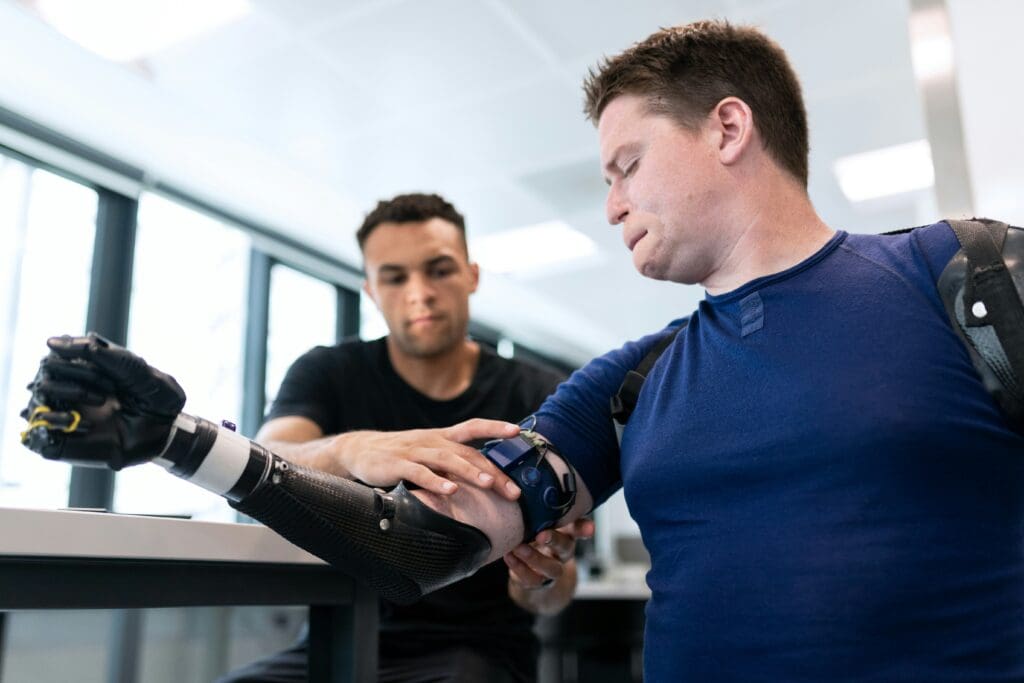
An AI platform recommending personalised prosthesis configurations from patient data, improving socket fit, comfort and rehabilitation outcomes.
MIMOPilot
A channel estimation technique that cuts signalling overhead in massive MIMO to a single pilot sample, improving spectral efficiency for 6G networks.

Road AI
Automatically assesses road surface condition from imagery using computer vision, replacing slow manual inspection of defects such as potholes.

IBSO
The Irish Building Stock Observatory links building performance with social, economic and financial data so retrofit investment can be targeted with evidence.

Wingsense
Low-cost Doppler radar sensors that identify and count flying pollinators non-invasively, bringing biodiversity monitoring into environmental IoT networks.

RanControl
Reinforcement learning xApps that let Open RAN networks adapt to new tasks without forgetting previous ones, supporting diverse 5G service demands.

TrueFrame
Predicts optimal AV1 encoder settings in a single pass, removing the repeated trial encodes that drive up cloud costs and energy use.

Mocara
A multilingual conversational platform explaining conditions and treatments using only regulator-approved content, adapted to each patient's literacy level.

Presage
A no-code fault detection platform that lets maintenance engineers deploy predictive AI without data science expertise or large training datasets.

Climate Parametric Risk Solution (CPRS)
Parametric climate risk products for agriculture and renewable energy, helping farmers, lenders and operators manage weather-driven revenue volatility.

OptiSIFT
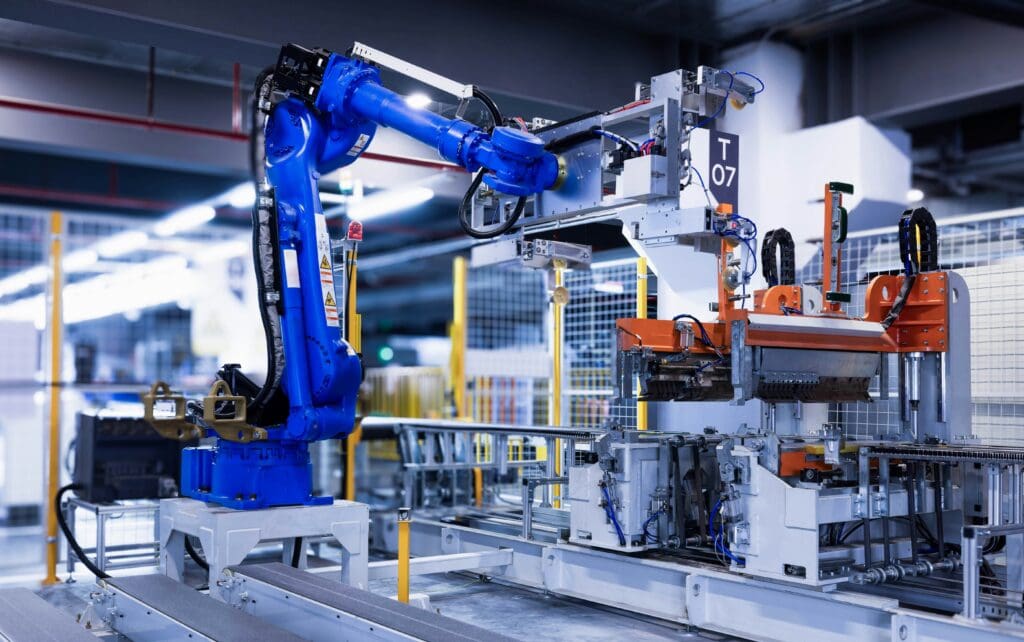
Certifies metal powder oxidation at the point of use in additive manufacturing, replacing destructive lab tests that take three to five days.
EURVISTA
An EU policy intelligence platform with a natural language interface, giving public affairs teams strategic insight into positions and stakeholder networks.

News & Events
The latest from the ARC Hub for ICT and the projects we support.
Ready to start collaborating?
Let's discuss how The ARC Hub for ICT can help accelerate your digital transformation initiatives and bring your innovative ideas to life.